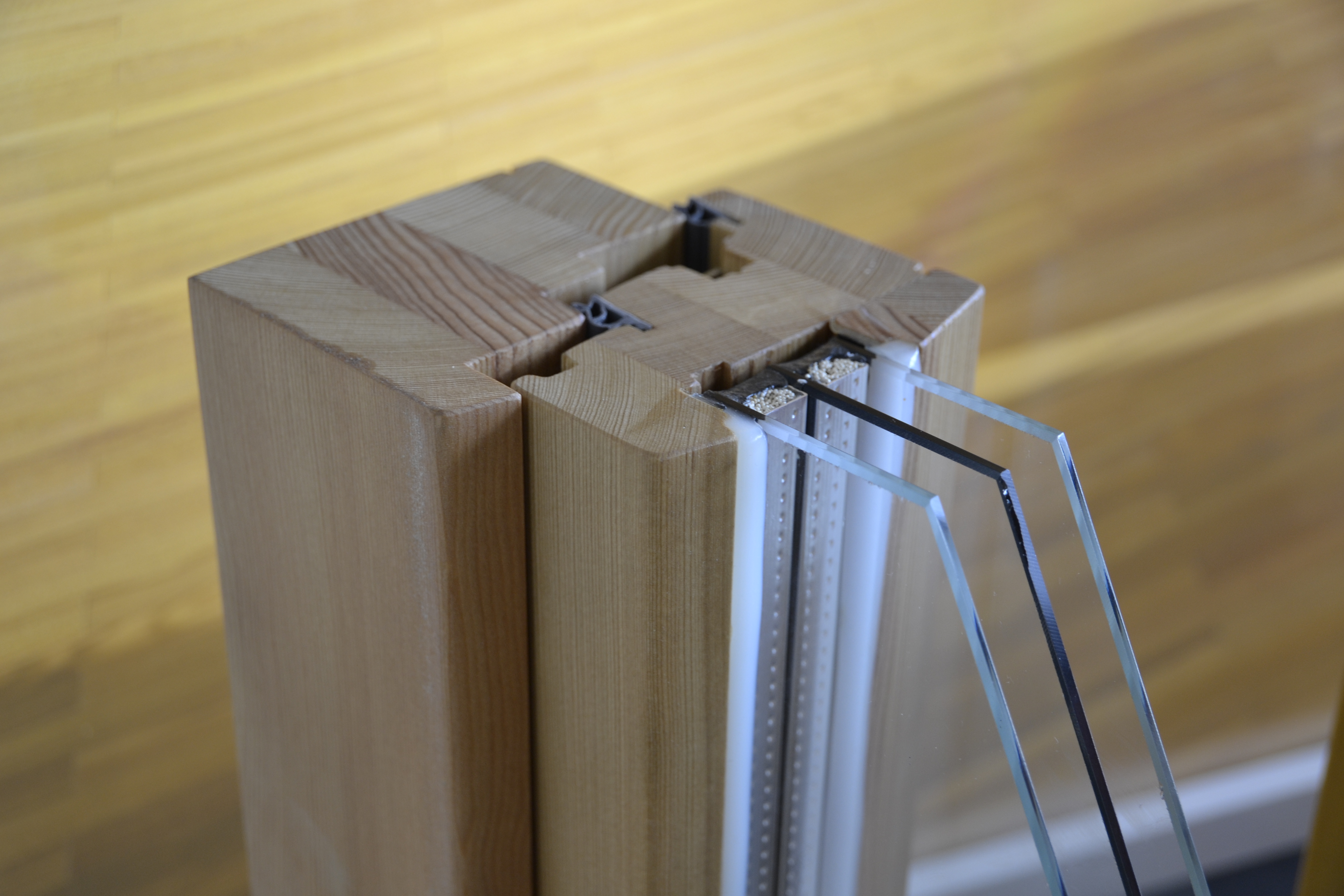
Glazing
Double vs Triple Glazing: Performance in Canadian Winters
A comparison of two- and three-pane insulated glass units, including U-values, gas fills, and which conditions make each option practical.
An overview of glazing options, frame materials, and installation requirements suited to Canada's varied and often severe climate zones.
Three in-depth reference articles covering the core decisions in cold-climate window replacement.
Glazing
A comparison of two- and three-pane insulated glass units, including U-values, gas fills, and which conditions make each option practical.
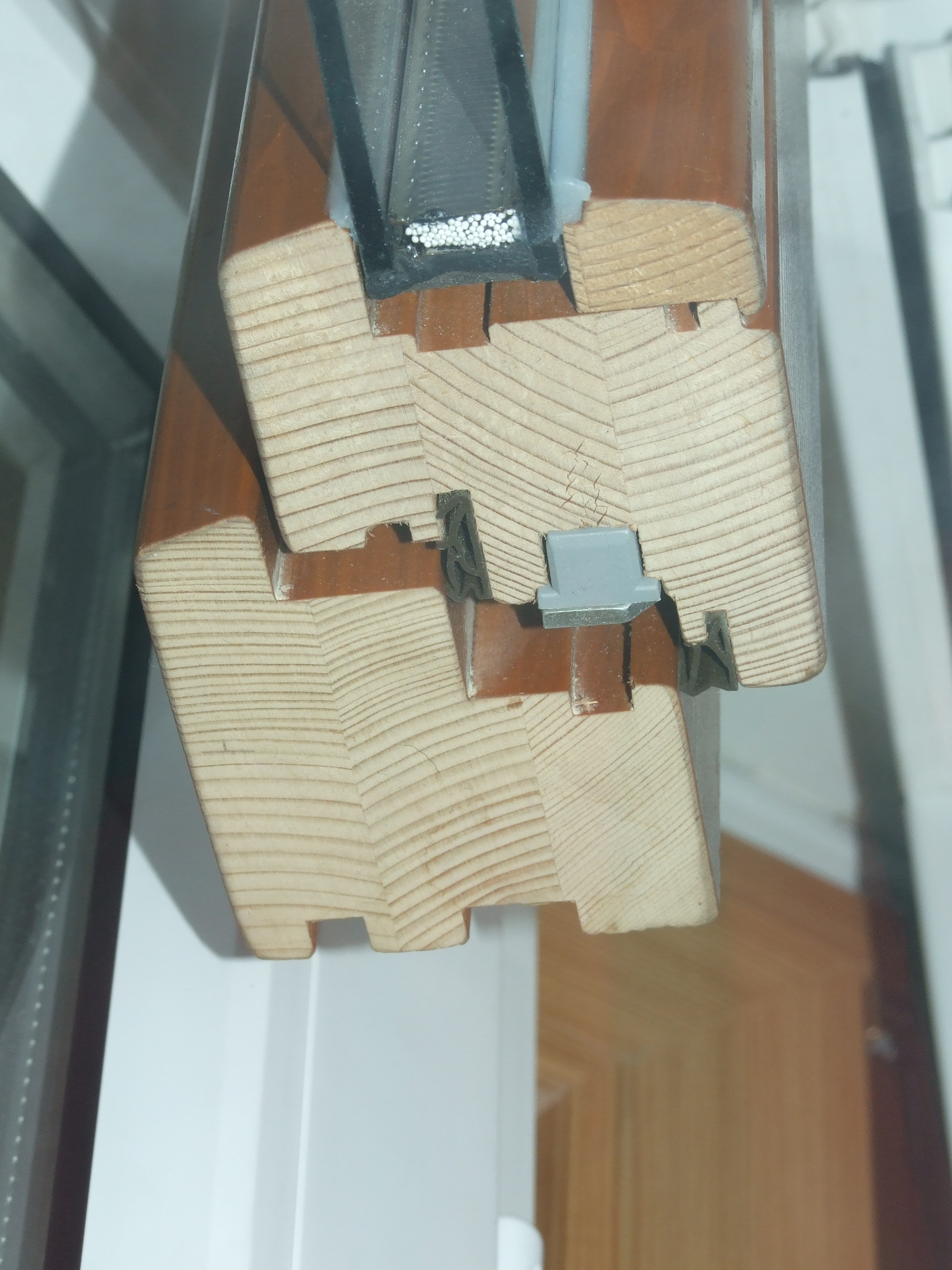
Frame Materials
How wood, PVC, fiberglass, and aluminum-clad frames respond to frost, thermal cycling, and humidity in Canadian conditions.

Installation
An overview of National Building Code requirements, air sealing methods, rough opening preparation, and common installation errors in cold climates.
Canada's climate zones present specific requirements that influence which window specifications are appropriate.
The U-value measures how readily heat passes through a window assembly. Lower numbers indicate better insulation. Canadian energy codes specify maximum U-values by climate zone, with colder regions requiring stricter performance.
In winter, warm interior air meeting a cold glass surface causes condensation or frost. Triple-glazed units and warm-edge spacer bars raise the interior glass surface temperature, reducing condensation at colder outdoor temperatures.
A poorly installed or degraded window frame can allow significant air infiltration regardless of the glazing quality. Canadian standards include air leakage ratings, and proper installation to prevent drafts is as important as the window unit itself.
The Solar Heat Gain Coefficient (SHGC) describes how much solar radiation passes through a window. In heating-dominated climates, south-facing windows benefit from a higher SHGC to capture passive solar heat in winter, while reducing summer overheating.
Frame materials expand and contract with temperature swings of 40–60°C or more across a Canadian seasonal cycle. Frames that handle this movement without warping, cracking, or losing their seal perform better over a window's lifespan.
Natural Resources Canada identifies climate zones based on heating degree days and design temperatures. A window specification appropriate for Vancouver's mild winters may not meet performance expectations in Winnipeg or Yellowknife.
If you have a factual question about cold-climate window performance, or notice inaccurate information on this site, use this form to reach us.